Search

News and Insights

What we learned at the NSW Gerontology Clinical Practice Day 2026

On Saturday 10 October 2026, we joined physiotherapists from across New South Wales at the Australian Physiotherapy Association’s (APA) NSW Clinical Practice Day: Gerontology, held in North Ryde, Sydney. Gerontology is the area of health care that looks after older people. It was the first forum of its kind run by the APA’s NSW Gerontology committee, and our VitaPlus brand was proud to sponsor it. We came home grateful to have been in the room, and with a long list of takeaways.

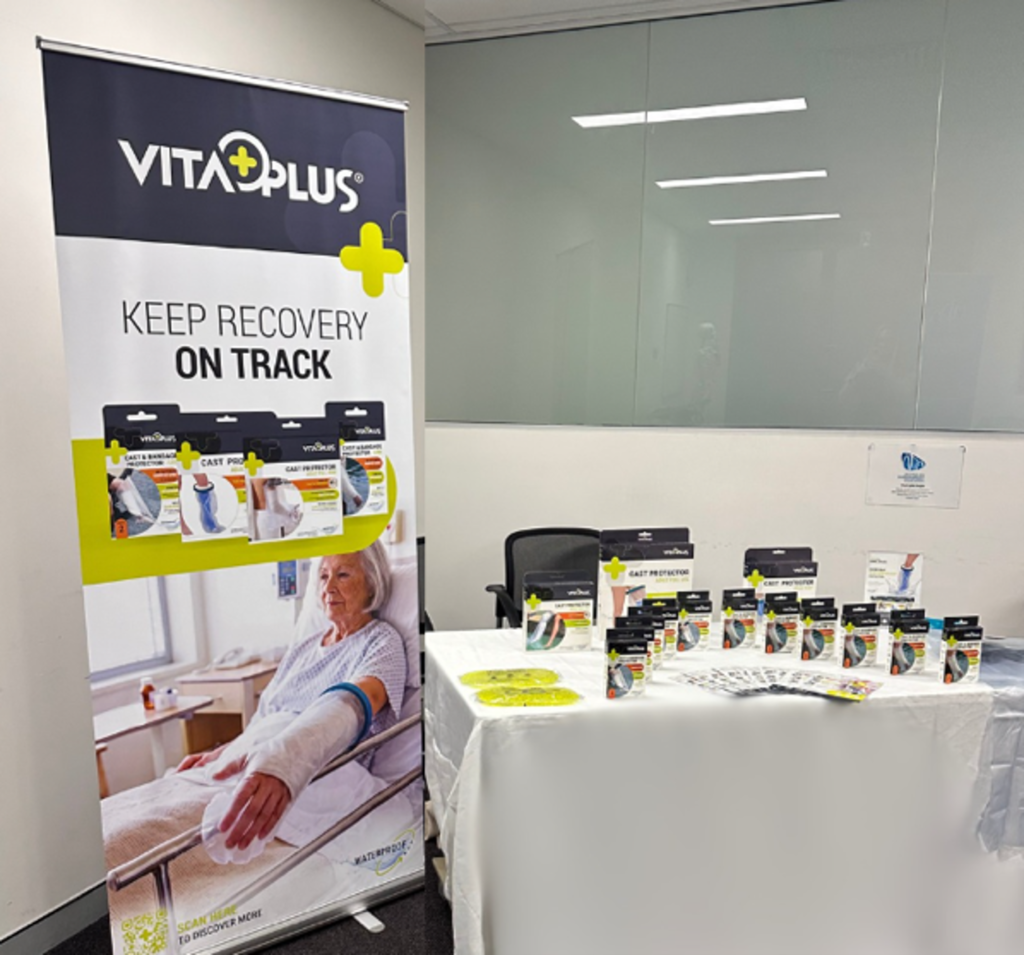
VitaPlus was proud to sponsor the first NSW Gerontology Clinical Practice Day in North Ryde.

NSW Clinical Practice Day: Gerontology

Sponsored by:

What we did

We set up a table with our VitaPlus cast and bandage protectors, showed how they work, and chatted with physiotherapists about the people they care for. For the rest of the morning we did what everyone else did: sat down, listened and took notes. Three speakers covered residential aged care, community care and hospital care, followed by a Q and A session and a networking lunch.

Highlights and takeaways

Every care setting has its own goal

One idea tied the three talks together. In hospital, the aim is to get a person well enough to go home. In residential aged care and community care, the aim is to help them stay well for life. Hearing from all three settings in one morning showed how closely they work together.

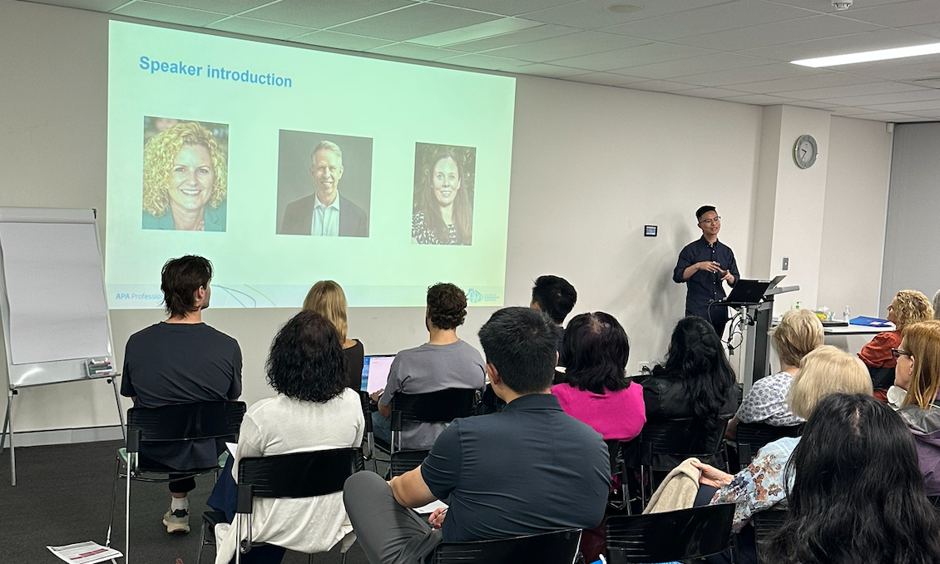
The speakers are introduced at the NSW Clinical Practice Day: Gerontology.

Why falls prevention was front and centre

Dr Rik Dawson, National President of the APA, spoke about residential aged care. He covered the National Aged Care Mandatory Quality Indicator Program, under which residential aged care providers report on measures including pressure injuries, unplanned weight loss, medication management, and falls and major injury.

Rik also knows the research first-hand. He is one of the authors of the 2025 Cochrane Review on preventing falls in care facilities. A Cochrane Review is a rigorous summary of all the quality research on a topic. This one found that exercise probably reduces falls in care facilities, as long as the exercise is kept up.

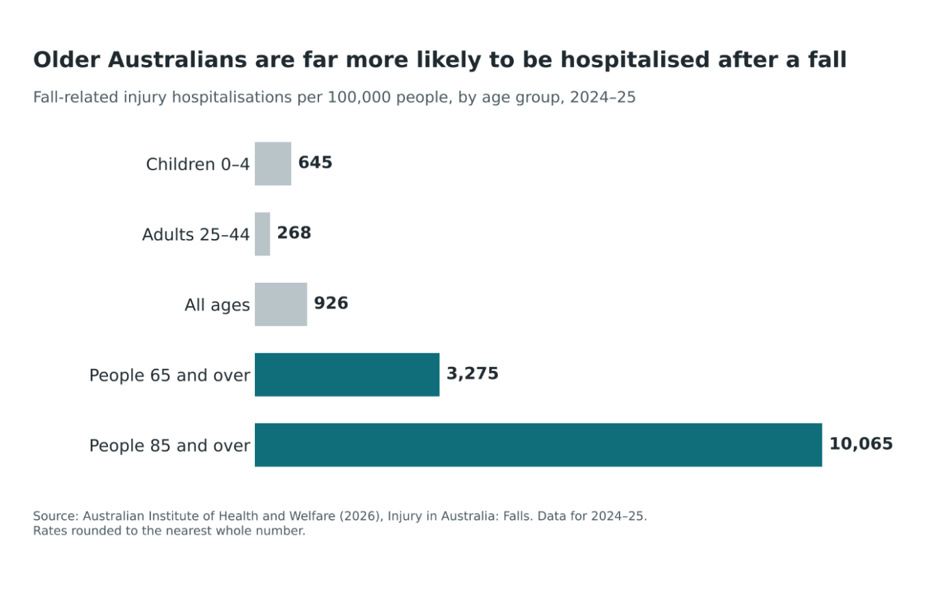
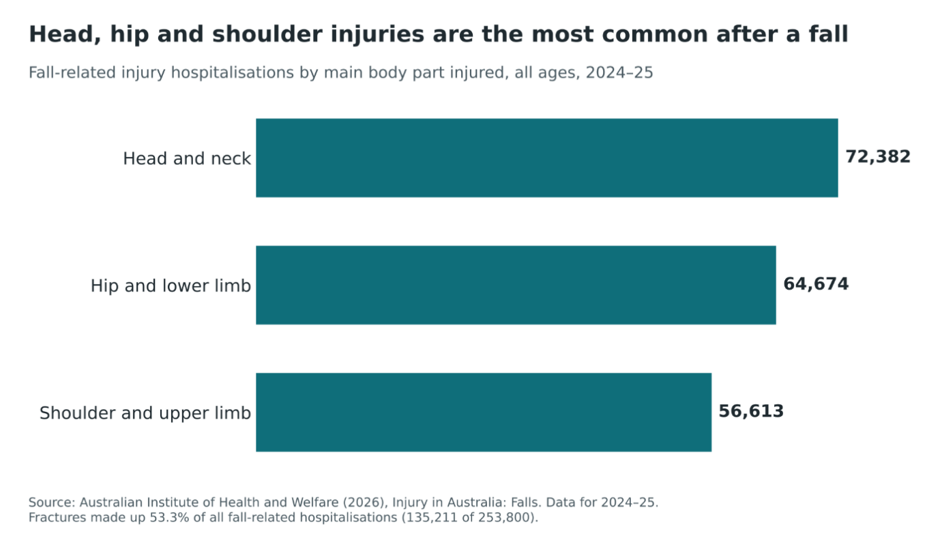
The numbers show why falls prevention matters. The Australian Institute of Health and Welfare reports that falls led to 253,800 hospital stays in 2024–25, making them the leading cause of injury hospitalisation in Australia. People aged 65 and over were hospitalised for falls 12 times more often than adults aged 25 to 44. More than half of all fall-related hospital stays (53.3%) involved a broken bone.

Exercise has evidence behind it

Dr Jennie Hewitt is the physiotherapist and researcher behind the Sunbeam Program, an exercise program for people in residential aged care. Her work has earned a National Lifetime Achievement Award from Aged and Community Services Australia, and she was invited to give evidence to the Royal Commission on the role of physiotherapists in aged care. She is now helping to bring the program to 11 Primary Health Networks and 119 aged care facilities.

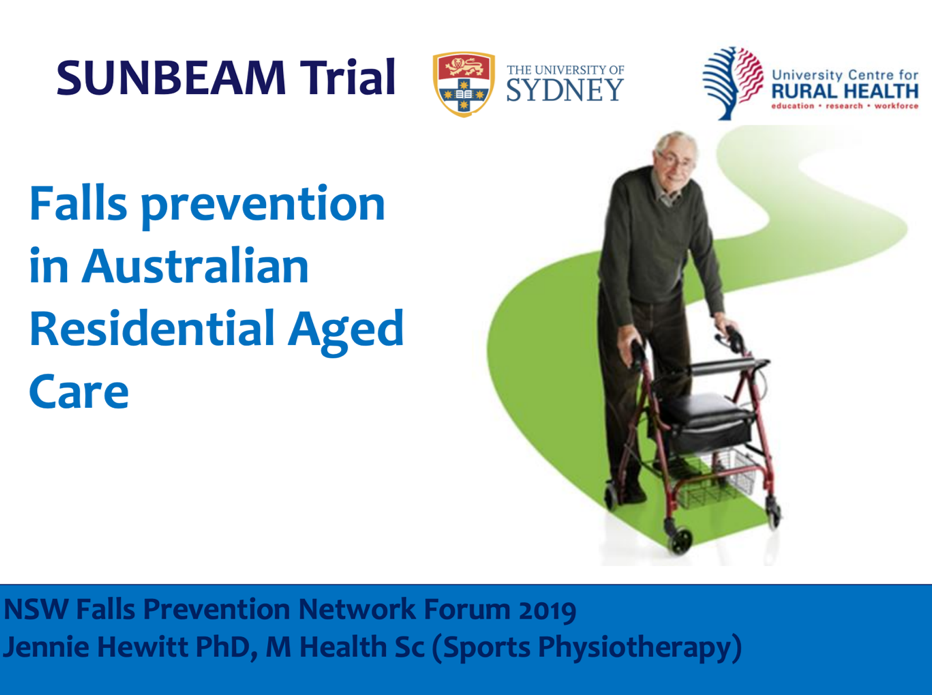
The results speak for themselves. In the Sunbeam trial, 221 aged care residents took part. After 12 months, the group doing the program had 55% fewer falls than the group receiving usual care (Hewitt, NSW Falls Prevention Network Forum, 2019).

Source: Dr Jennie Hewitt, “SUNBEAM Trial: Falls prevention in Australian Residential Aged Care”, presented at the NSW Falls Prevention Network Forum 2019.

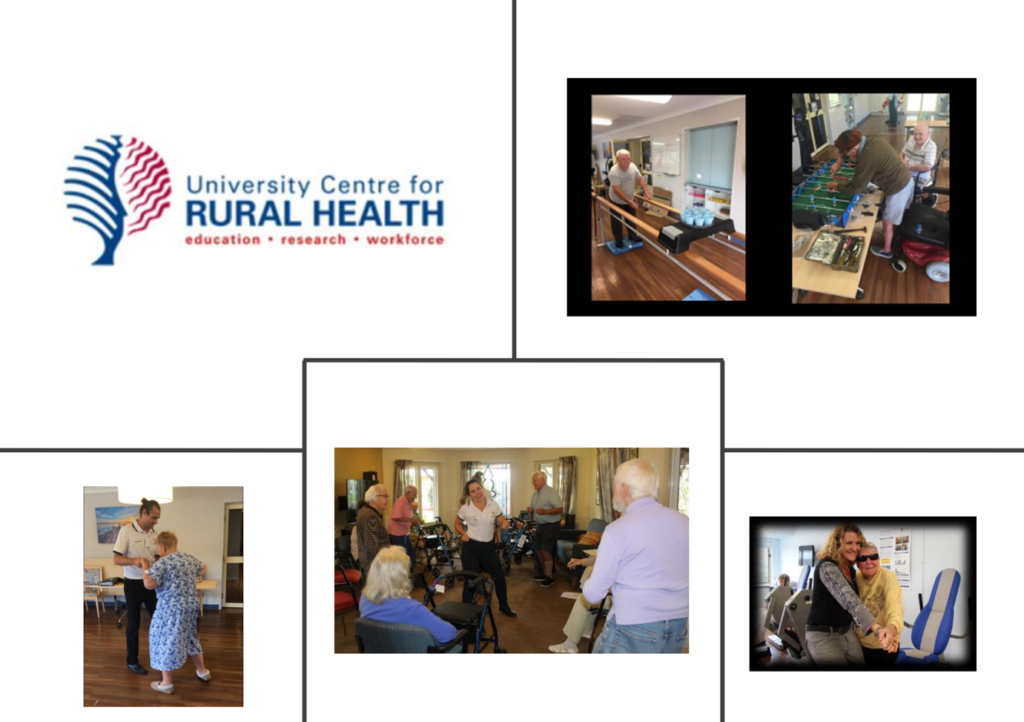
University Centre for Rural Health logo with photos of older people exercising with physiotherapists in residential aged care.

Source: Dr Jennie Hewitt, “SUNBEAM Trial: Falls prevention in Australian Residential Aged Care”, presented at the NSW Falls Prevention Network Forum 2019.

Getting people home, and keeping them there

Nicola Kertanegara, rehabilitation coordinator for the North Shore Ryde Local Health District, spoke about hospital care. Nicola has spent her whole career in aged care and rehabilitation, and also teaches physiotherapy students at Sydney University. She introduced us to the term hospital-acquired functional decline. This is when a person loses strength and independence during a hospital stay, on top of the illness or injury that put them there.

Her question to the room stuck with us: how do we stop people from coming back to hospital?

Why people love this work

One comparison from the day has stayed with us. In sport, a physio might help an athlete go from 95% to 99%. In aged care, the goal might be helping someone walk down the aisle at a family wedding. As rewards go, that is a good one.

What it means for our customers

If you care for an older parent or partner, the message from the day was an encouraging one: staying active matters, and a physiotherapist can set up a safe exercise program. If you are worried about falls, your GP or physio is the place to start.

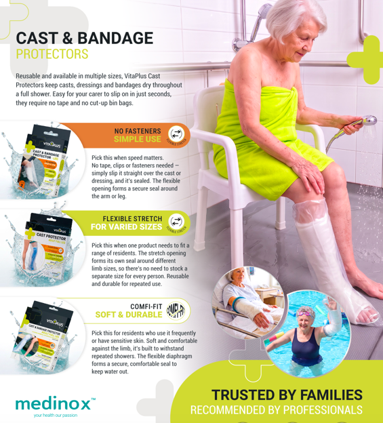
For us, the day was a reminder that small, practical things count too. One example is keeping a cast or wound dressing dry in the shower. A person who learns to use a cast and bandage protector in hospital can go home already confident with it. We left with a list of ideas like this to explore with hospitals and aged care providers.

Thank you

We are grateful to have been part of the day. Thank you to the APA NSW Gerontology committee for a warm, well-run first forum, to Dr Jennie Hewitt, Dr Rik Dawson and Nicola Kertanegara for sharing their work so generously, and to every physio who stopped by our table for a chat. If you work in aged care and want to know more about our range, get in touch through www.medinox.com.au. Reach out at admin@medinox.com.au.

This article is general information only and is not a substitute for professional medical advice. Always read the label and follow the directions for use.